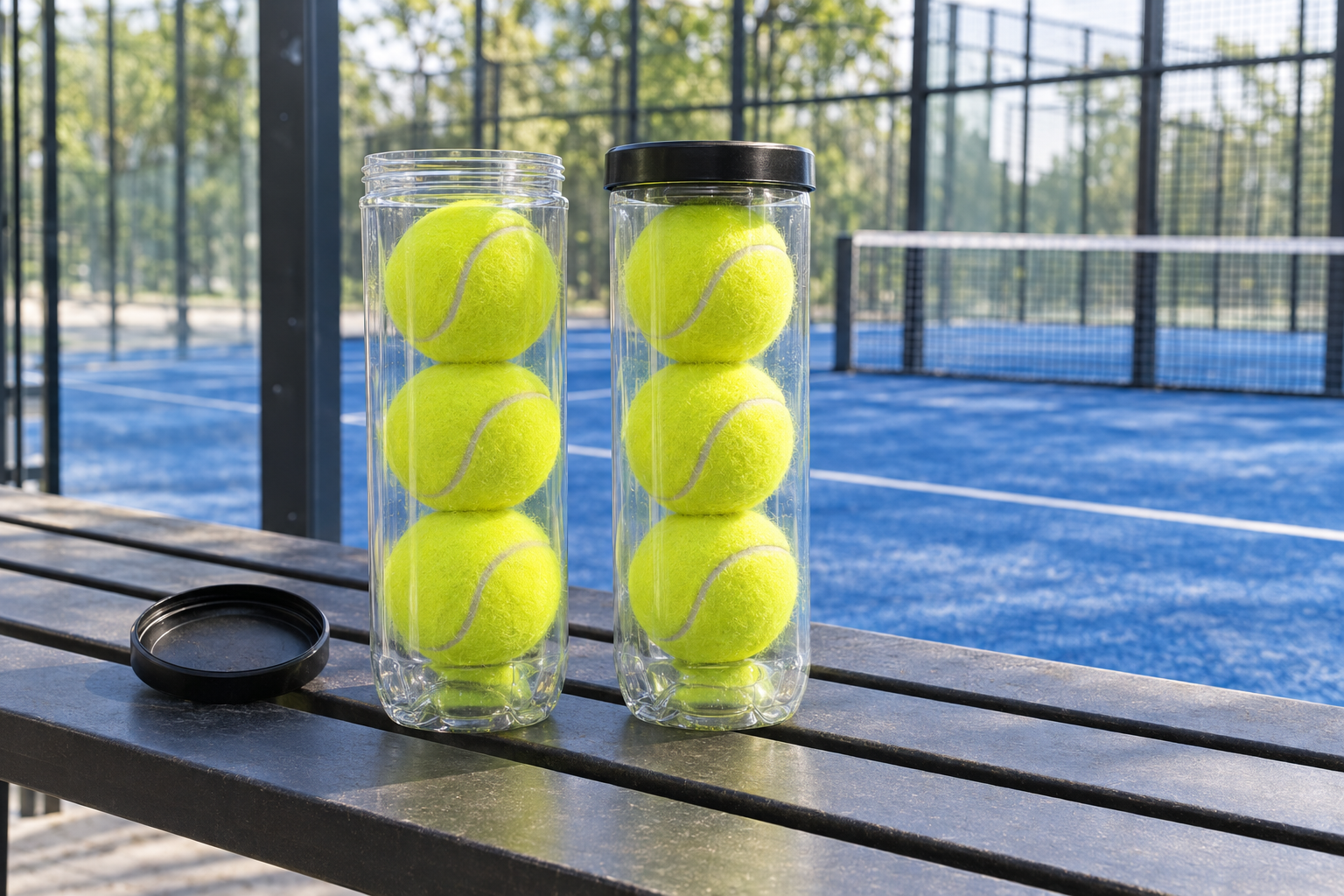
Fast vs slow padel balls is a choice many players never think about, but it changes the game more than you might expect. Ball speed affects how quickly rallies develop, how the ball comes off the glass and how much time you have to react.
In this article
What makes a padel ball fast or slow?
Ball speed depends mainly on internal pressure, the core material and the felt. Higher pressure and livelier cores make the ball bounce higher and come off the racket faster. Tightly wrapped felt can also help the ball move quicker through the air.
5 rules for choosing fast vs slow padel balls
1. Beginners: choose slower balls
Slower balls give more time to react and learn. See the best padel balls for beginners.
2. Competitive players: choose faster match balls
Faster, certified balls suit attacking play and match the balls used in many leagues.
3. Cold weather: go faster
Cold slows balls down, so a speed ball helps; see the best padel balls for cold weather.
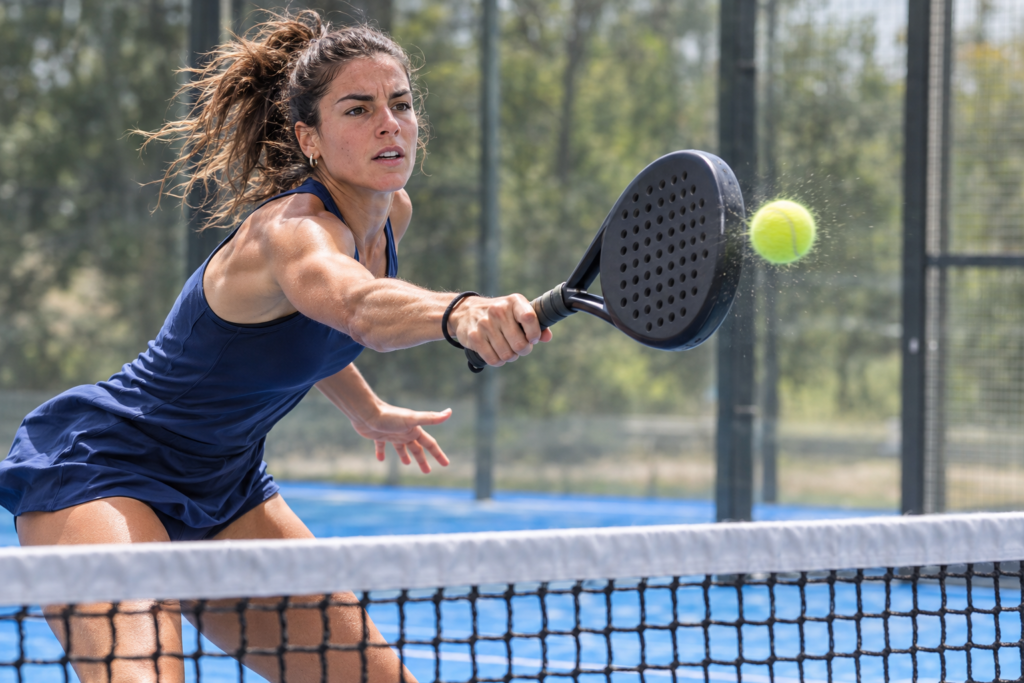
4. Hot weather or fast courts: consider slower balls
In heat, balls become livelier. A standard or slower ball can keep rallies controllable.
5. Training: durability matters more than speed
For drills, choose durable balls that keep their bounce over many sessions.
How ball speed changes your game
| Faster balls | Slower balls | |
|---|---|---|
| Rallies | Shorter, more attacking | Longer, more tactical |
| Off the glass | Rebounds further | Dies closer to the wall |
| Best for | Advanced players, cold weather | Beginners, hot conditions |
Can you tell ball speed from the packaging?
Manufacturers often describe balls as “speed”, “pro”, “control” or “slow”. Certified balls approved by the International Padel Federation meet consistent standards for competition. Read FIP-approved padel balls explained and compare options in the best padel balls.
Key takeaways
- Beginners: choose slower balls: Slower balls give more time to react and learn.
- Competitive players: choose faster match balls: Faster, certified balls suit attacking play and match the balls used in many leagues.
- Cold weather: go faster: Cold slows balls down, so a speed ball helps; see the best padel balls for cold weather.
- Hot weather or fast courts: consider slower balls: In heat, balls become livelier.
- Training: durability matters more than speed: For drills, choose durable balls that keep their bounce over many sessions.
Fast vs slow padel balls for different players
Beginners usually find slower balls easier because they give more time to reach the ball and set up shots. Attacking players often prefer faster balls that reward big smashes.
Conditions also change how fast vs slow padel balls feel. Heat, altitude and warm indoor courts make balls play faster, while cold outdoor courts slow them down. Many players keep one of each type and choose based on the weather. If you play league matches, use the ball your club specifies so you get used to it. When in doubt, try fast vs slow padel balls side by side in a practice session to see which suits your game.
Frequently asked questions
Are faster padel balls better?
Not for everyone. They suit experienced players and cold conditions; beginners usually prefer slower balls.
Why do some padel balls feel slow?
Lower pressure, cold weather, damp felt or age can all make a ball feel slow.
Which balls do clubs use?
Many clubs use standard or certified match balls for leagues.
The bottom line
Choose slower balls while you learn and in hot conditions, and faster balls for competitive play and cold weather.
Keep reading: Best padel balls · FIP-approved padel balls