
FIP approved padel balls have been certified by the International Padel Federation, the sport’s international governing body. Certification means the ball meets the federation’s standards, so it behaves consistently. Here is what that means for club players.
In this article
5 facts about FIP approved padel balls
1. They meet official standards
Certified balls are checked against the federation’s standards, so you can expect consistent size, weight and bounce.
2. They are used in competitions
Many tournaments and leagues specify certified balls so every match is played under similar conditions.
3. They are not always the fastest
Certification is about meeting standards, not about being fast or slow. Some certified balls are designed for speed, others for control.
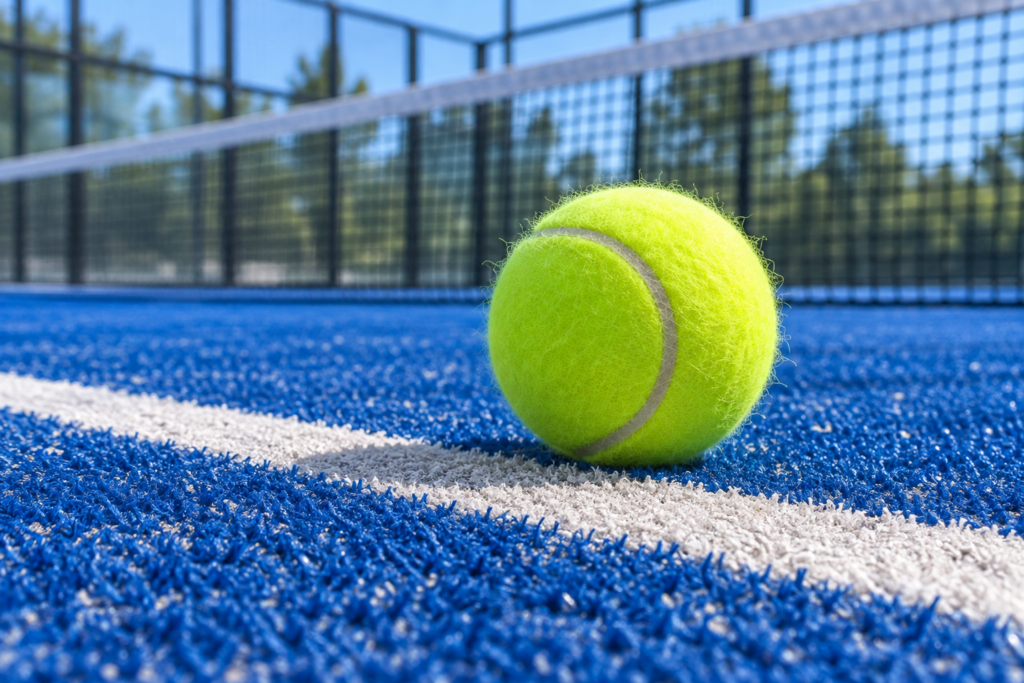
4. You do not need them for casual play
For social games and practice, any good-quality padel ball from an established brand works well.
5. The packaging usually says so
Manufacturers usually state FIP approval or certification on the tube or in the product listing.
Do you need FIP approved padel balls?
If you play in leagues or tournaments, check which balls the organiser requires; it may be a specific certified ball. For club games and practice, choose a ball that suits your level and the conditions. Beginners may prefer slower balls; see the best padel balls for beginners.
Examples of FIP-certified padel balls
The Dunlop Pro Padel ball, for example, is listed as officially certified by the International Padel Federation. You can find it, along with other options, in our guide to the best padel balls.
Getting the most from certified balls
Certified balls lose pressure like any other padel ball once opened. Store them at room temperature and keep fresh tubes for matches. Read how to store padel balls and fast vs slow padel balls for more.
Key takeaways
- They meet official standards: Certified balls are checked against the federation’s standards, so you can expect consistent size, weight and bounce.
- They are used in competitions: Many tournaments and leagues specify certified balls so every match is played under similar conditions.
- They are not always the fastest: Certification is about meeting standards, not about being fast or slow.
- You do not need them for casual play: For social games and practice, any good-quality padel ball from an established brand works well.
- The packaging usually says so: Manufacturers usually state FIP approval or certification on the tube or in the product listing.
Why choose FIP approved padel balls?
FIP approved padel balls have been checked against the standard used for official competition, so you know they meet set requirements. For club matches and leagues, FIP approved padel balls give you a consistent, predictable bounce.
For casual games, you do not always need FIP approved padel balls, but many players prefer them because they feel closer to what is used in tournaments. If your club or league names a specific ball, use that one. Otherwise, choosing FIP approved padel balls is a safe default for matches.
Whatever ball you use, store tubes at room temperature and open a fresh tube for important matches.
Frequently asked questions
What does FIP approved mean?
The ball has been certified by the International Padel Federation as meeting its standards.
Are FIP balls better for beginners?
Not necessarily. Beginners often prefer slower balls; certification is mainly about consistency for competition.
Do clubs require FIP balls?
For leagues and tournaments they sometimes do. Check with the organiser.
The bottom line
FIP approved padel balls guarantee consistent performance for competition. For casual play, choose any quality padel ball that suits your level.
Keep reading: Best padel balls · Fast vs slow padel balls