
Winter padel can be just as fun as summer padel if you prepare for the cold. Lower temperatures slow the ball down, damp courts change your footing and cold muscles are more prone to strains. These nine tips will help you keep playing comfortably all winter.
In this article
9 essential winter padel tips
1. Use faster balls
Cold weather makes balls bounce lower and slower. A speed ball helps; see our best padel balls for cold weather.
2. Open a fresh tube
Ball pressure drops over time, and old balls feel especially dead in the cold. Keep older balls for practice.
3. Keep your balls warm
Store tubes indoors and bring them to the court in your bag, not a freezing car boot.
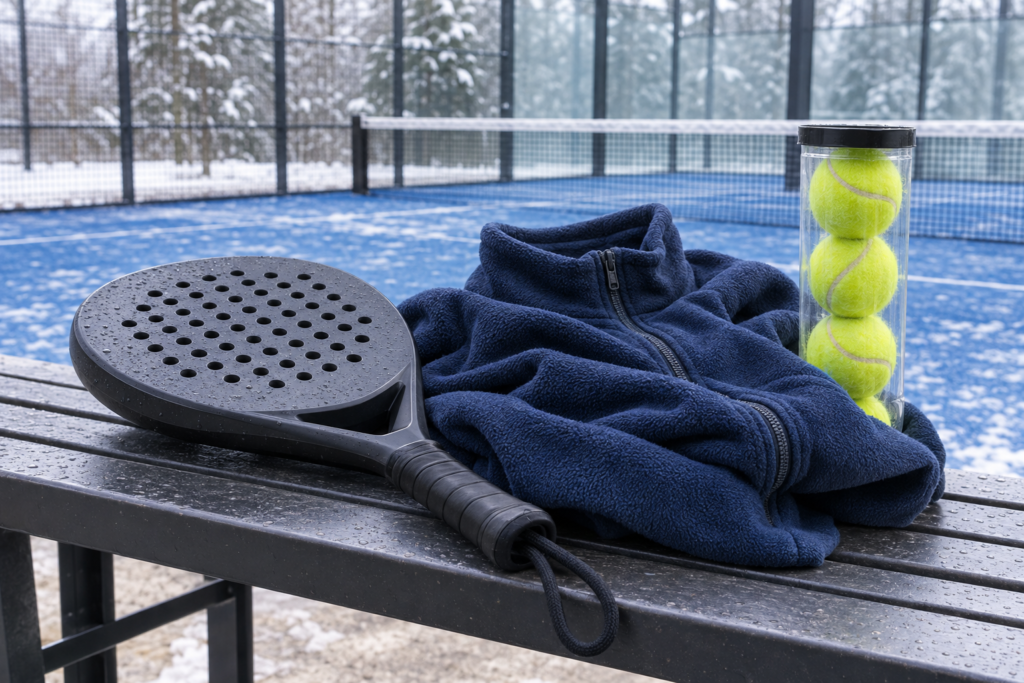
4. Layer up, then strip off
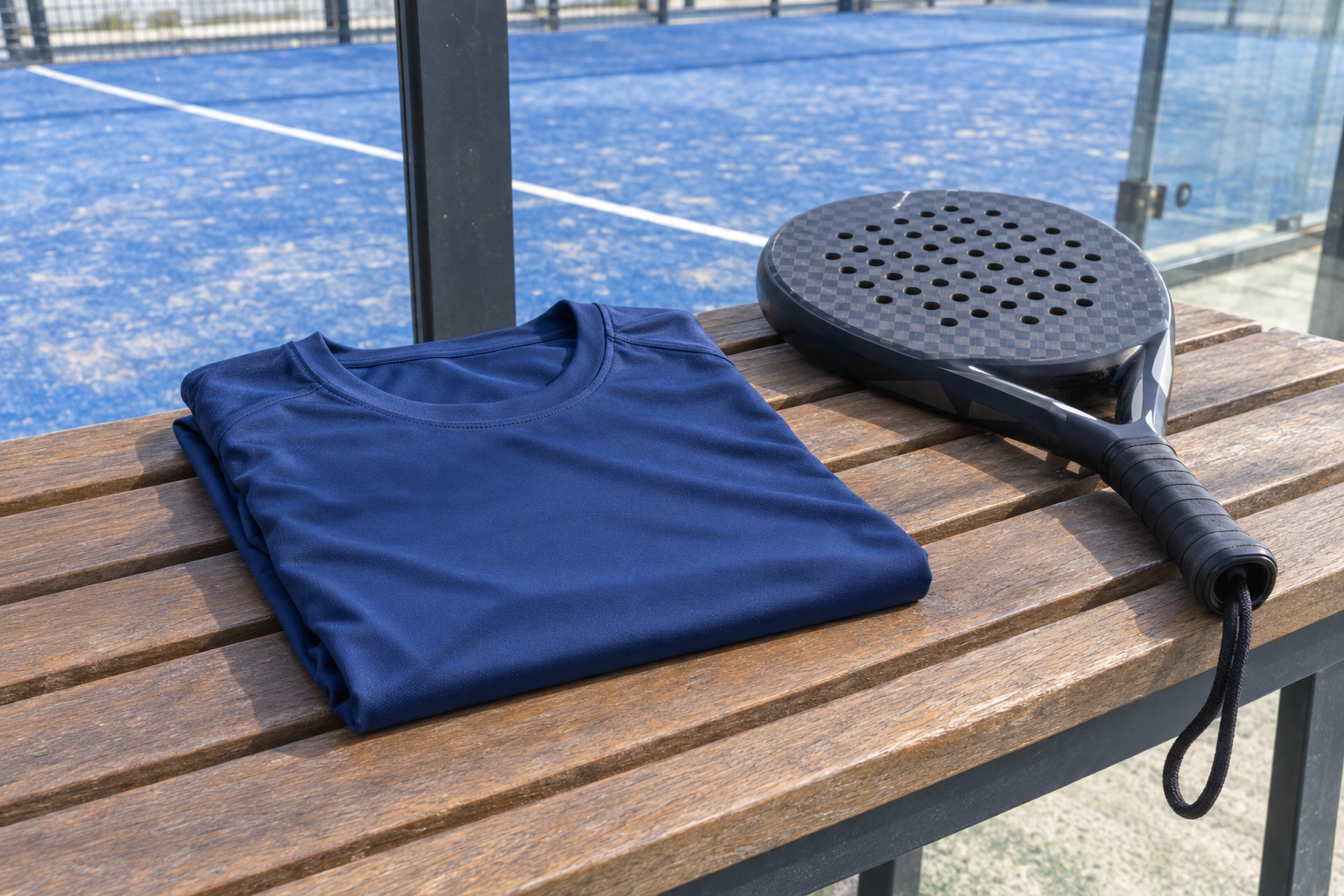
Start in a light base layer and a zip-up top, and remove layers as you warm up. Our guide to what to wear for padel in winter explains how.
5. Warm up for longer
Cold muscles need more time. Add a few minutes to your usual padel warm-up.
6. Watch your footing
Damp turf and fallen leaves can be slippery. Take shorter steps and avoid sudden twists until you have tested the surface.
7. Protect your grip
Damp evenings make handles slippery. Use an absorbent overgrip and keep a small towel in your bag.
8. Look after your racket
Avoid leaving your racket in a freezing car overnight. Extreme cold can affect how the core and face feel.
9. Book indoor courts when it is wet
Heavy rain makes outdoor courts slippery and unsafe. Indoor courts are a good backup; see indoor padel in winter.
How winter changes the way padel plays
In winter padel, rallies tend to be longer because the ball moves more slowly and bounces lower off the glass. That rewards patience, placement and good positioning more than raw power. Many players find winter a great time to work on their lobs, volleys and consistency.
Before outdoor sessions, check the Met Office forecast for rain, wind and temperature, and agree a back-up plan with your playing partners.
Staying healthy through the winter
Drink water even when it is cold, change out of damp kit straight after playing and cool down with some gentle padel stretches. If you play less often in winter, build back up gradually to avoid strains.
Winter padel gear checklist
- A fresh tube of fast balls, plus older balls for practice.
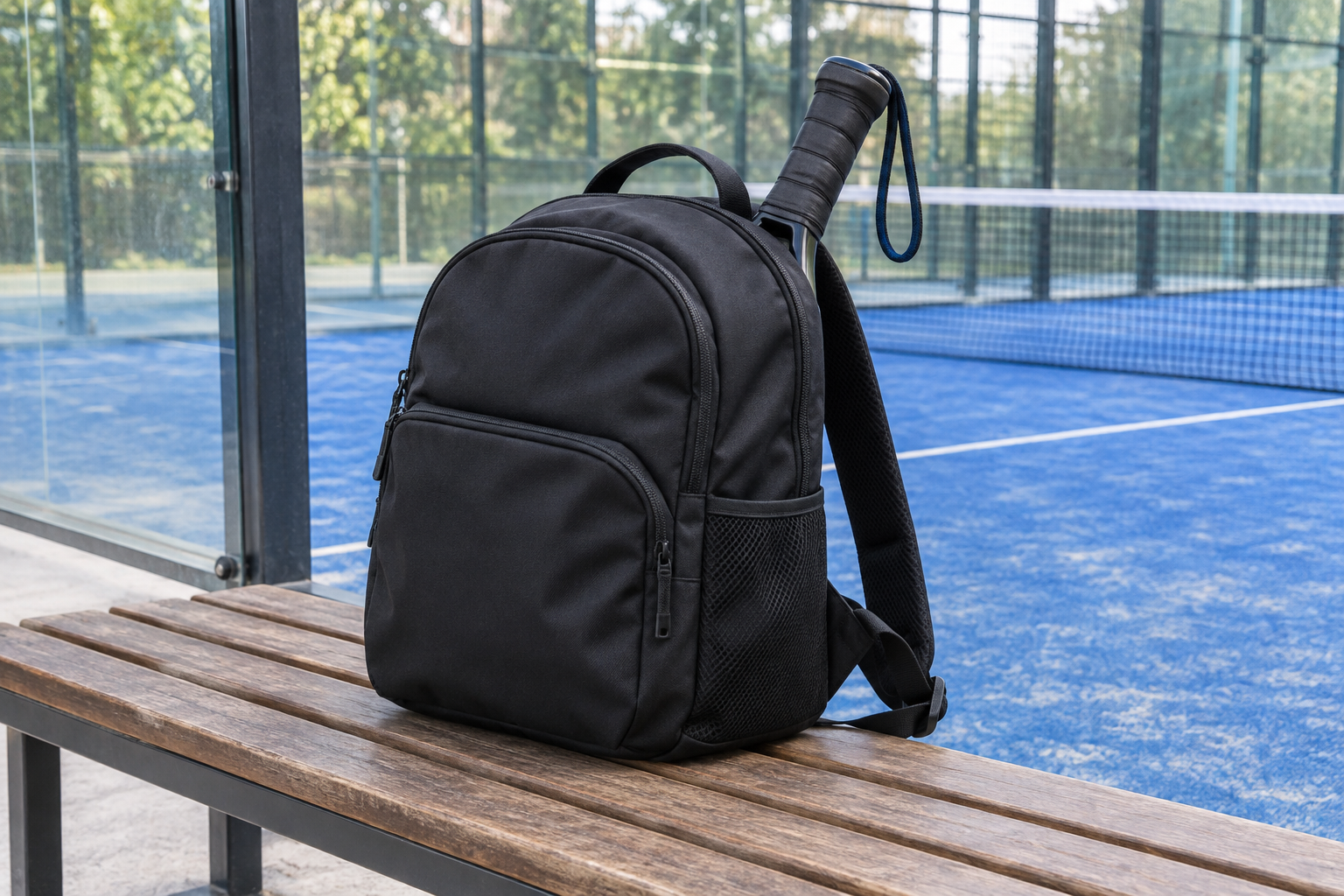
- An absorbent overgrip and a small towel.
- A base layer, zip-up top, leggings and a beanie.
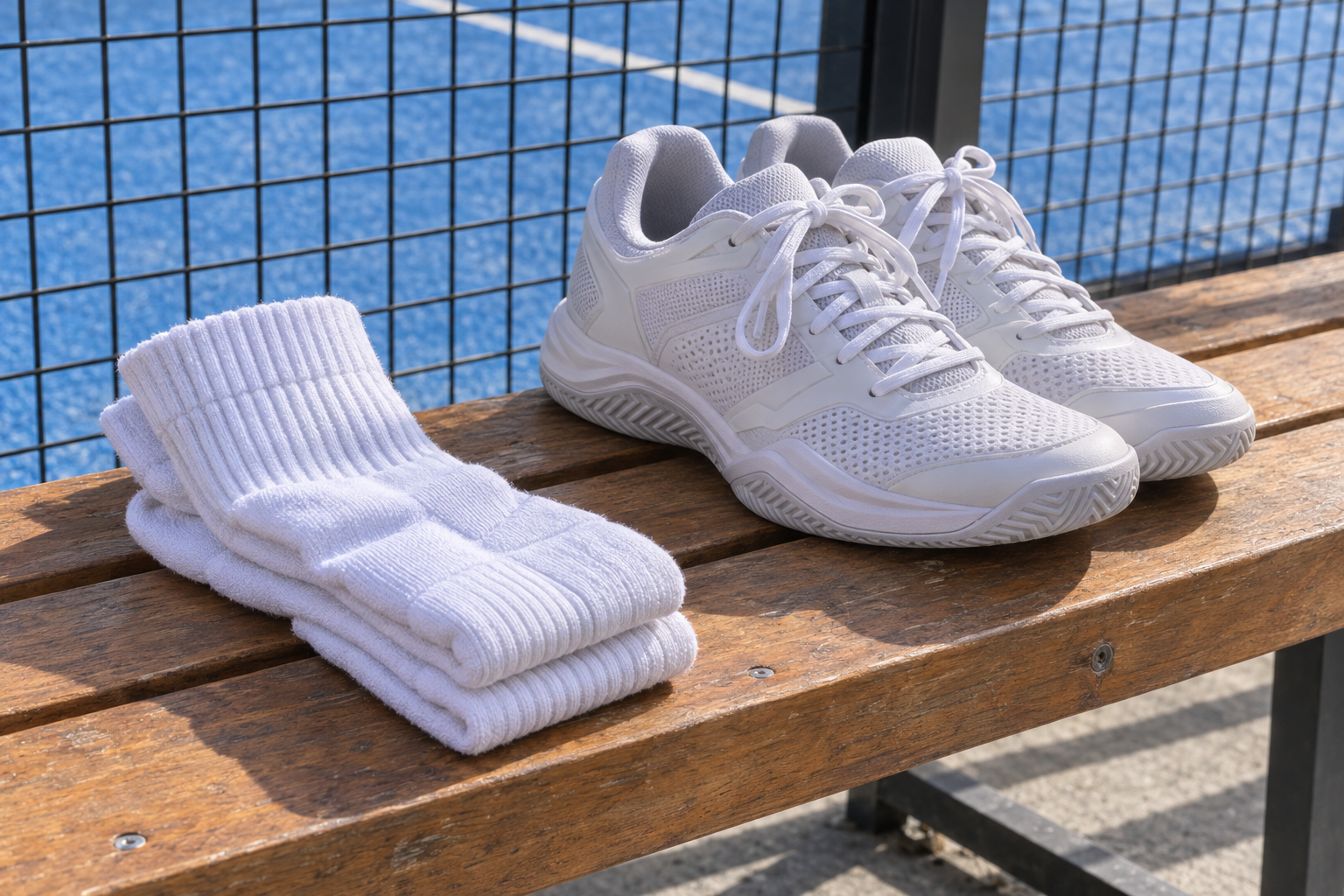
- Padel shoes with plenty of tread.
- A water bottle and a dry change of clothes.
For more ideas, see our guide to winter padel accessories.
More winter padel tips for outdoor courts
Our final winter padel tips: arrive early to warm up, keep balls and rackets indoors until you start and change into dry clothes after playing. These simple winter padel tips make cold sessions far more comfortable, and they help you keep playing all year. Share these winter padel tips with your playing partners so everyone arrives prepared.
Frequently asked questions
Can you play padel in winter?
Yes. With faster balls, layers and a longer warm-up, winter padel is very playable.
Is padel slower in the cold?
Yes. Cold air lowers ball pressure, so the ball bounces lower and moves more slowly.
Can you play padel in the rain?
Light drizzle may be playable, but wet courts can be slippery. Indoor courts are safer in heavy rain.
The bottom line
Faster balls, smart layers, a longer warm-up and good grip are the keys to enjoyable winter padel.
Keep reading: Best padel balls for cold weather · What to wear for padel in winter