Knowing when to replace your padel racket saves you from playing with a tired, dead-feeling frame. Rackets do not last forever: the core gradually softens with use, and cracks or damage can change how it plays.
In this article
6 signs it is time to replace your padel racket
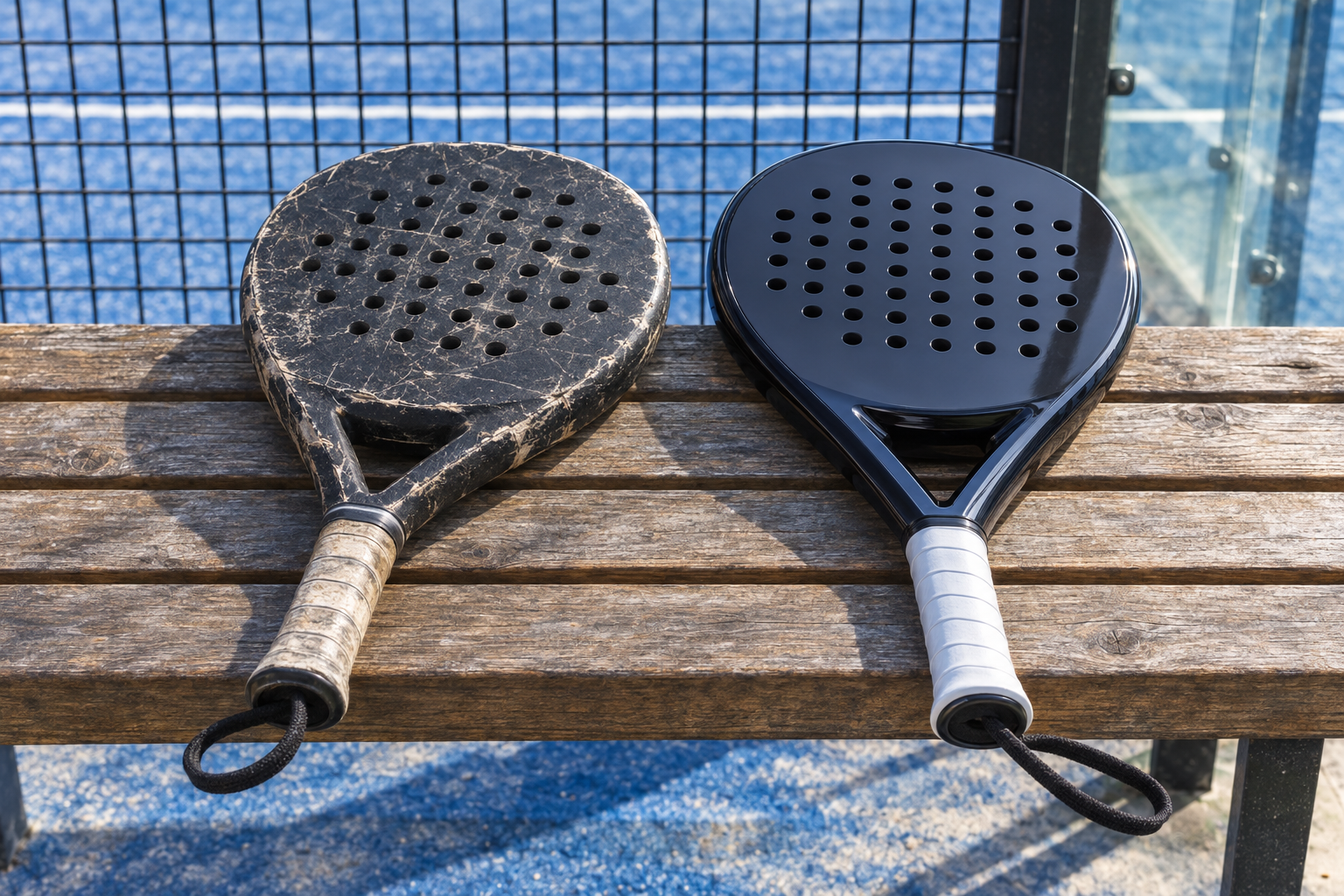
1. Visible cracks
Cracks in the frame or face weaken the racket and can get worse quickly.
2. The racket feels dead
If the ball no longer comes off the face as it used to, the core may have softened.
3. New vibrations or rattles
Unusual vibration or a rattling sound can signal internal damage.
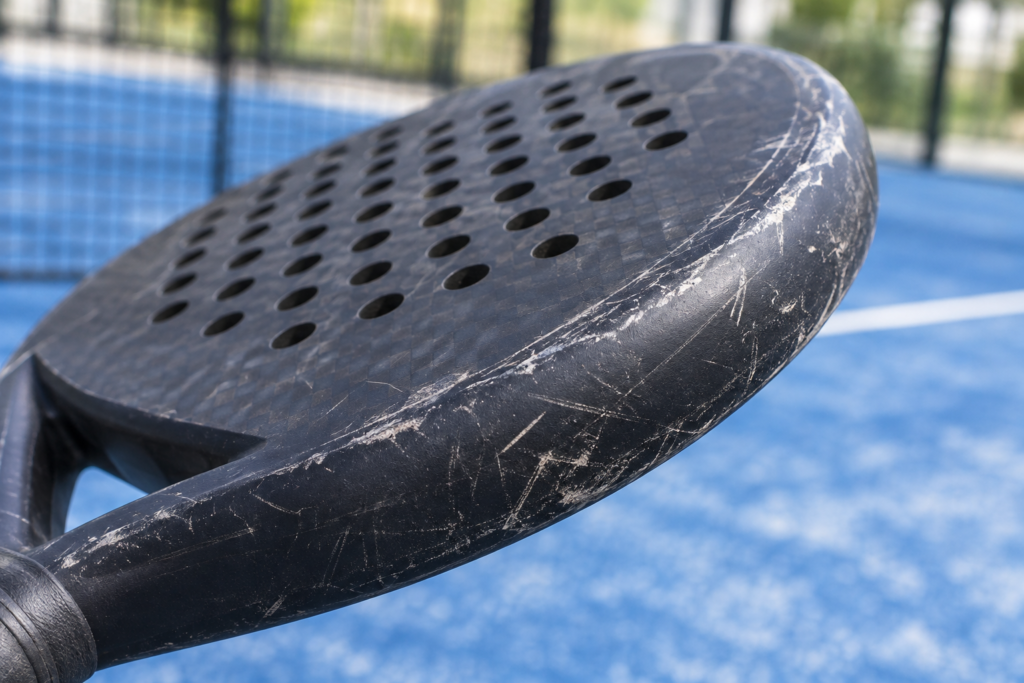
4. Worn face texture
Rough faces lose their grip on the ball over time, which reduces spin.
5. Arm discomfort
A tired racket can transmit more vibration; see padel tennis elbow gear.
6. Your game has changed
If you have improved a lot, a racket suited to your new level can help; see the best padel rackets for intermediate players.
How long do padel rackets last?
It depends on how often and how hard you play. Frequent players may notice a racket softening within a year, while occasional players can use one for much longer.
Make your racket last longer
- Fit a frame protector; read do padel racket protectors work?
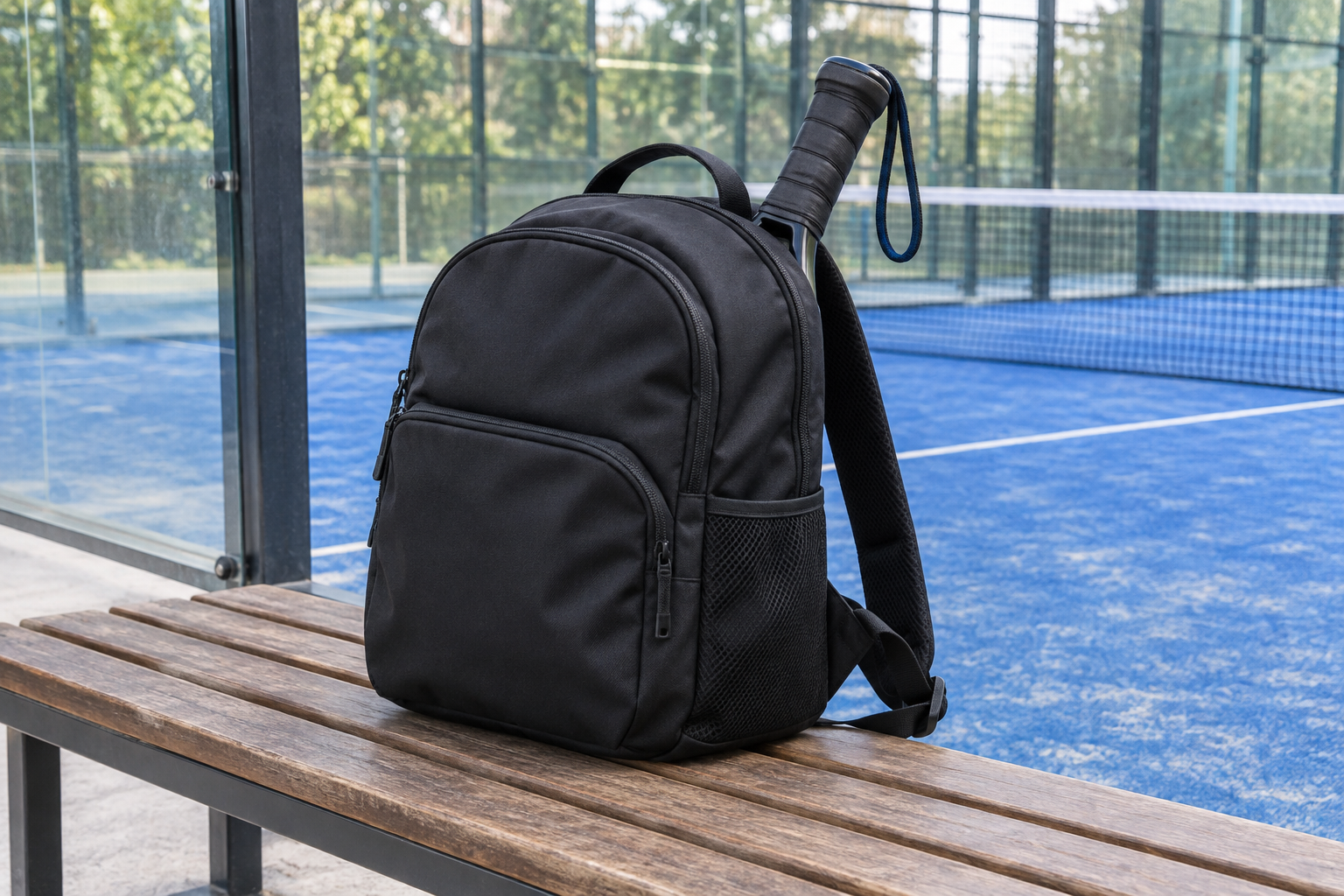
- Use a cover or padded bag; see padel racket covers.
- Avoid extreme heat and cold; see padel racket in cold weather.
- Change your overgrip regularly so you do not over-grip.
Key takeaways
- Visible cracks: Cracks in the frame or face weaken the racket and can get worse quickly.
- The racket feels dead: If the ball no longer comes off the face as it used to, the core may have softened.
- New vibrations or rattles: Unusual vibration or a rattling sound can signal internal damage.
- Worn face texture: Rough faces lose their grip on the ball over time, which reduces spin.
- Arm discomfort: A tired racket can transmit more vibration; see padel tennis elbow gear.
- Your game has changed: If you have improved a lot, a racket suited to your new level can help; see the best padel rackets for intermediate players.
Signs you need to replace your padel racket sooner
Heavy hitters, players who use the walls a lot and anyone who plays several times a week will need to replace your padel racket more often than a weekend player. If you are unsure, compare it with a friend’s newer racket of the same model: a big difference in pop and feel is a good sign it is time.
You do not always need to replace your padel racket with the same model. If your level, fitness or arm comfort has changed, use the switch as a chance to try a different shape or weight that suits how you play now.
New to the sport or looking for a club? LTA Padel, the national governing body for padel in Great Britain, has information on the game, venues and competitions.
Frequently asked questions
How often should I replace my padel racket?
Frequent players often replace rackets every year or so; occasional players much less often.
Can a cracked padel racket be repaired?
Small cosmetic chips can be covered, but structural cracks usually mean replacement.
Does a racket lose power over time?
Yes. The core gradually softens with use, which can make the racket feel dead.
The bottom line
Replace your padel racket if it is cracked, feels dead or causes new arm discomfort, and protect it with a frame protector and cover to make it last.
Keep reading: How to choose a padel racket · Do padel racket protectors work?